Stay cool, sleep better, Live your life!
Hot flashes, night sweats and midlife curveballs? I’m living them, too—and sharing what makes them a little easier for us.

Menopause Weight Gain: How Cortisol Makes It Harder
Struggling with menopause weight gain? Learn how cortisol fuels stubborn belly fat in midlife and what simple shifts can help you fight back with humor and grace.
6/30/20252 min read
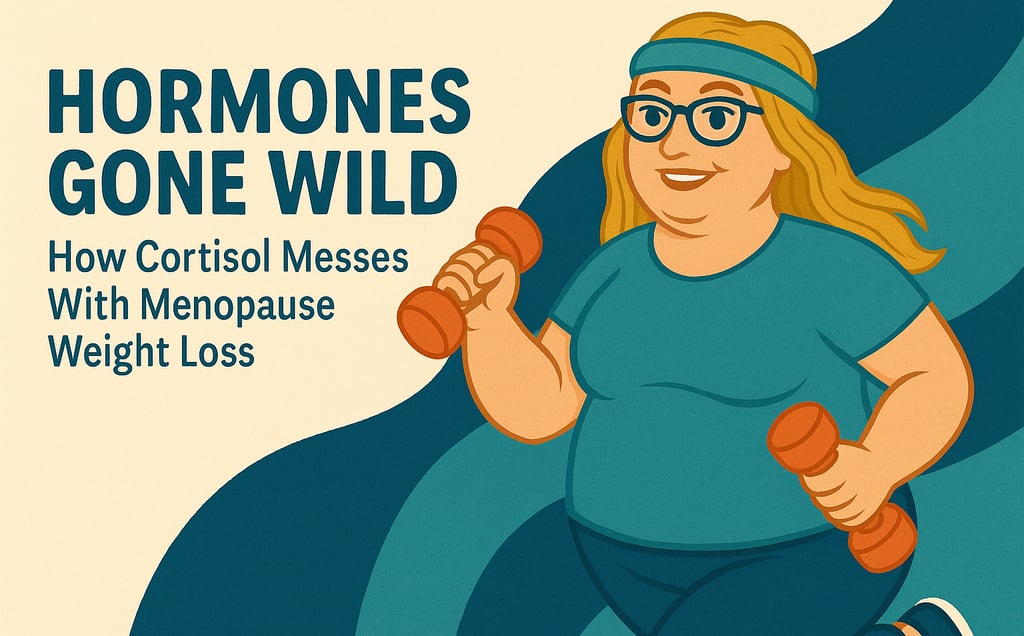
We expect hot flashes, night sweats, and maybe a few mysterious chin hairs during menopause—but no one warned us about cortisol, the sneaky little stress hormone that loves to throw a party in our midsections. If you’ve ever looked down and thought, “When did I order the muffin top sampler platter?”—you’re not alone.
(Quick note: I’m not a doctor. This post is a mix of personal experience, humor, and research. For personalized advice, please chat with your healthcare provider.)
Cortisol 101: The Stress Hormone That Won't Quit
Cortisol is your body’s built-in alarm system. Normally, it helps you wake up, manage stress, and even handle short bursts of exercise. But according to the Endocrine Society, chronically high cortisol can increase abdominal fat, raise blood sugar, and even weaken your immune system.
Pair that with the hormonal rollercoaster of menopause—lower estrogen, shifting progesterone—and suddenly your body feels like it’s running on survival mode.
Why Menopause + Cortisol = Trouble Around the Middle
Sleep is a hot mess – Research shows that poor sleep elevates cortisol. Add in night sweats and insomnia? Your stress hormones are practically throwing confetti.
Cravings crash the party – A 2017 study in Obesity found that higher cortisol levels can drive appetite, especially for sugary, fatty foods. (Goodbye kale, hello cookie dough.)
Metabolism downshifts – With estrogen declining, your metabolic rate slows. Cortisol jumps in and makes sure extra calories get stored right in your belly.
Fat storage relocates – Before menopause, fat might’ve padded your hips or thighs. Thanks to cortisol, it takes the scenic route and settles comfortably around your waistline.
Muscle takes a hit – Cortisol can break down muscle tissue over time. Less muscle = fewer calories burned at rest.
So What Can We Do About It?
Prioritize rest – Aim for consistent sleep. Even short naps can help reduce cortisol.
Gentle exercise – Studies show yoga, walking, and strength training lower stress hormones while preserving muscle.
Protein at each meal – Keeps blood sugar stable and supports lean muscle.
Cut back on caffeine & alcohol – Both can spike cortisol (sorry, wine o’clock).
Find your calm – Prayer, meditation, deep breathing or even belting out 80s ballads in the car all count.
Taming the Flame
At Hot Flash Finds, I know menopause isn’t just about cooling hot flashes—it’s about keeping our cool while our hormones act like they’re auditioning for a reality show. That’s why I share finds and fixes that help ease stress, balance hormones and make life feel a little lighter (and, yes, maybe even a little looser around the waistband).


The Cool Down ❄️
Here’s the thing: cortisol thrives on drama, but it hates boring consistency. So give it the snooze-fest it deserves—go to bed on time, eat some protein, stretch like you’re auditioning for Slowest Yoga Ever (& honestly, someone should start that show) and put down the doomscroll. The payoff isn’t just in the mirror; it’s in moods that don’t zigzag, energy that lasts past 2 p.m., and jeans that don’t start a hostage negotiation. Progress may feel small, but small is what sticks. And if all else fails, laugh loud enough to scare the hormones into behaving
Support:
info@hotflashfinds.com
© 2025. All rights reserved.
Get the coolest finds, tips & laughs - straight to your inbox!